

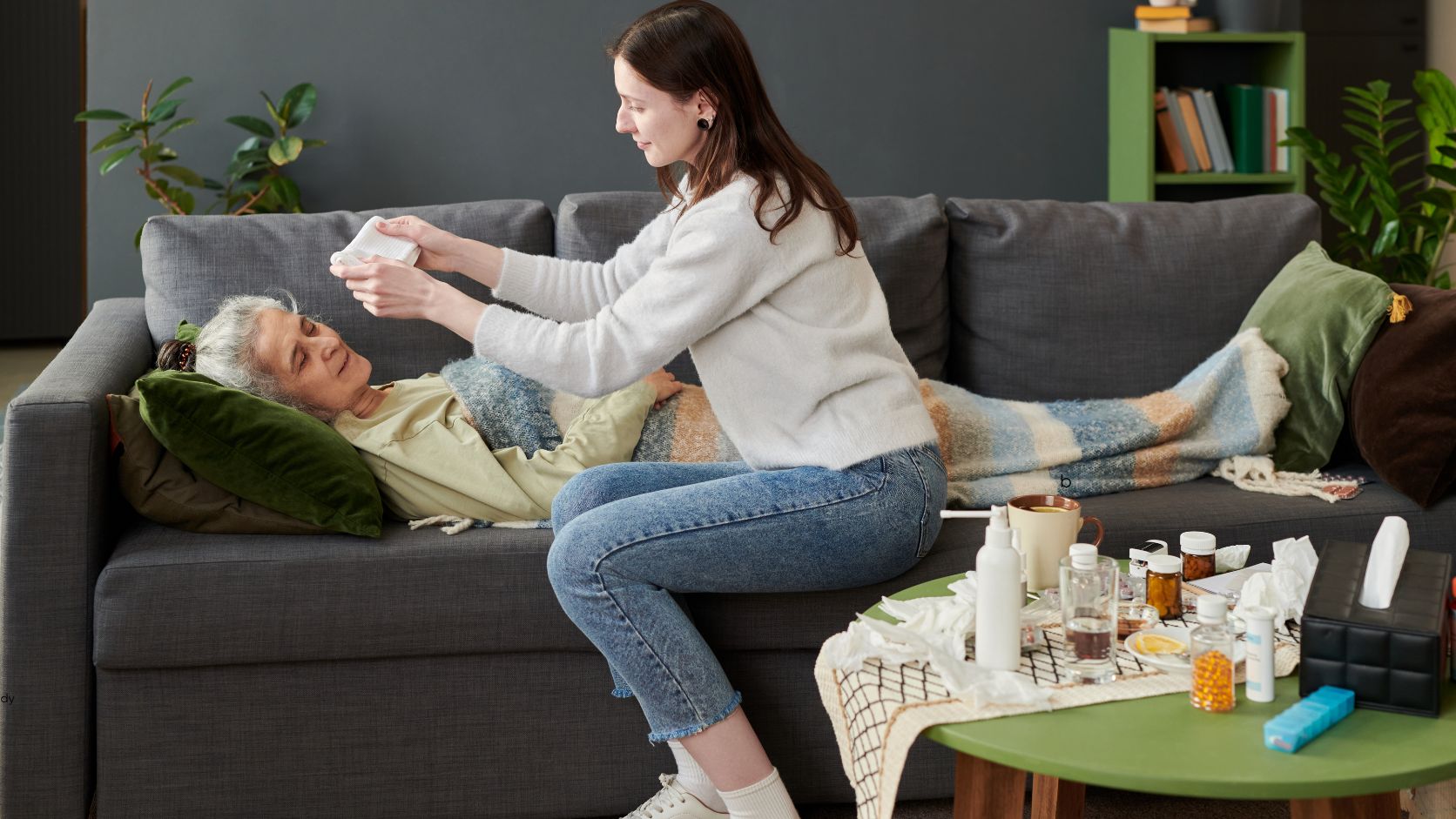
When people think about caregiving in Japan, they often assume it’s similar to elderly care in India.
After all, caring for seniors means helping them with daily life, right? Not exactly.
While the goal is the same, ensuring comfort, dignity, and well-being, the way care is delivered in Japan is very different.
Understanding these differences is important, especially for candidates planning to work as caregivers under the SSW Caregiver Program.
Here’s what makes Japan’s approach to senior care unique.
One of the biggest differences is the philosophy of care.
In India, family members often do everything for elderly parents as a way of expressing love and respect.
In Japan, caregivers are encouraged to help seniors remain as independent as possible.
For example, instead of feeding someone immediately, a caregiver may encourage them to eat on their own if they are physically able.
The goal isn’t just to provide care, it’s to preserve independence.
In many Indian households, caregiving is based on family routines and individual judgment.
Japanese care facilities follow structured care plans.
Every resident has an individualized plan based on:
This ensures consistent care, regardless of which caregiver is on duty.
In India, caregiving is often handled by one family member or a single attendant.
In Japan, it’s a collaborative effort.
A resident’s care may involve:
Everyone communicates regularly to ensure the best possible care.
As an SSW caregiver, you’ll become part of this professional care team.
Japan has embraced technology to improve both patient care and caregiver efficiency.
Depending on the facility, you may see:
Technology doesn’t replace caregivers, it helps them provide safer and more effective care.
Every interaction with a resident is based on respect.
Caregivers are expected to:
These small actions help residents feel valued and maintain their dignity.
Caregiving in Japan isn’t limited to helping with meals or mobility.
Facilities also focus on improving residents’ emotional well-being.
You may assist with:
Keeping seniors mentally and socially active is considered an essential part of care.
One difference that surprises many Indian candidates is the importance of documentation.
After providing care, caregivers often record:
These records help ensure continuity of care and allow the healthcare team to monitor each resident’s progress.
In India, elderly parents often live with their children.
In Japan, many seniors live in professional care facilities while staying connected with their families.
Family members regularly visit, communicate with staff, and participate in important care decisions.
The facility works alongside the family to provide the best possible support.
Working in Japan isn’t just about learning caregiving techniques.
It’s about understanding a different philosophy of care.
You’ll learn to:
These skills are highly valued not only in Japan but across healthcare systems worldwide.
Japan focuses on encouraging independence, structured care planning, teamwork, and the use of technology, while elderly care in India is often family-centered.
No. Caregivers also support residents’ emotional well-being, social engagement, recreational activities, and daily routines.
Yes. Caregivers work closely with nurses, doctors, therapists, and other healthcare professionals to provide coordinated care.
Many facilities use assistive technologies such as electric beds, patient lifts, wheelchairs, and digital documentation systems to improve care quality and safety.
It helps SSW candidates adapt more quickly, provide better care, and build successful long-term careers in Japan’s healthcare sector.

We at Genrise believe in utmost integrity and transparency in all our process in order to ensure the best in class experience for candidates seeking an opportunity abroad.
Copyright © 2026. | Genrise Global Staffing Limited Pvt. Ltd.
Developed By: EYB Digitech</span