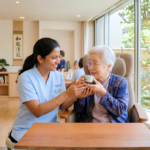

Germany has become one of the most preferred destinations for Indian nurses seeking a stable and respected nursing career abroad. Beyond salary, nurses are increasingly drawn to Germany for its clear career growth opportunities, structured work-life balance, and high quality of life.
This blog explains what nurses can realistically expect in terms of professional growth, daily work-life balance, and lifestyle when working as a nurse in Germany.

Germany offers a well-defined and transparent career path for nurses. Unlike many healthcare systems where growth depends heavily on seniority alone, Germany emphasizes structured progression, skills, and continuous learning.
After qualification recognition and registration, nurses begin working as Registered Nurses. Roles and responsibilities are clearly defined, and nurses are trusted to work independently within their scope.
With experience, nurses can specialise in areas such as intensive care, geriatrics, paediatrics, surgical nursing, or rehabilitation care. Specialisation often comes with additional training and improved career prospects.
Experienced nurses can move into senior nursing roles, ward management, training positions, or healthcare coordination roles. Some nurses also transition into teaching or clinical training roles over time.
Career growth in Germany is systematic and predictable, which appeals strongly to nurses seeking long-term stability.
Work-life balance is one of the strongest advantages of working as a nurse in Germany.
Nursing work hours are governed by strict labour laws. Shifts are planned in advance, and excessive overtime is discouraged. Any overtime worked is compensated or balanced with time off.
Nurses receive paid annual leave, public holidays, and sick leave as per German labour regulations. Rest periods between shifts are mandatory, protecting nurses from burnout.
Unlike unpredictable schedules in many countries, German hospitals and care facilities operate with structured shift systems. This allows nurses to plan personal time, family commitments, and rest.
This balance contributes significantly to physical and mental wellbeing.
German healthcare workplaces are built on mutual respect and collaboration.
Nurses are treated as skilled professionals and are actively involved in patient care decisions. Communication between nurses and doctors is respectful and professional, with clear protocols in place. This professional recognition boosts job satisfaction and confidence among foreign nurses.
Beyond work, Germany offers a high standard of living and social security benefits that contribute to a comfortable lifestyle.
Germany is known for its clean cities, efficient public transport, and safe living conditions. Nurses benefit from well-organised urban infrastructure and access to public services.
All working nurses are covered under Germany’s healthcare and social security systems. This includes health insurance, pension contributions, and unemployment protection.
While the cost of living varies by city, nursing salaries are designed to support a comfortable lifestyle. With proper budgeting, nurses can manage expenses, save money, and support family back home.
Germany encourages cultural integration of foreign professionals.
Nurses often work in multicultural teams and have opportunities to interact with people from different backgrounds. Language skills play a major role in social integration, helping nurses build friendships and feel included in the community. Over time, many nurses feel settled and confident living independently in Germany.
Germany has a long-term shortage of qualified nurses. This creates consistent demand, strong job security, and reliable employment opportunities.
With continuous employment, nurses can plan long-term residence, financial security, and professional growth without frequent job uncertainty.
This long-term outlook is a key reason why Germany is considered one of the most reliable job opportunities for nurses abroad.
Germany is ideal for nurses who value structure, professional respect, and long-term stability. While the pathway requires commitment to language learning and registration processes, the rewards include career growth, balanced work life, and a high quality of living.
For nurses planning a serious and sustainable nursing career abroad, Germany offers a future-ready healthcare ecosystem.
Career growth, work-life balance, and lifestyle are deeply interconnected for nurses in Germany. Structured professional development, regulated work hours, and strong social systems create an environment where nurses can thrive both professionally and personally.
With the right preparation and guidance, working as a nurse in Germany can be a life-changing step toward a stable and fulfilling international career.
Nurses in Germany can progress into specialised roles such as intensive care, geriatrics, paediatrics, or rehabilitation. With experience, they can also move into senior nursing, ward management, training, or healthcare coordination roles.
Yes. Germany offers structured career progression, continuous training opportunities, and strong job security due to an ongoing shortage of qualified nurses.
Work-life balance is well regulated. Nurses work structured shifts, receive paid leave, mandatory rest periods, and overtime compensation, which helps prevent burnout.
Yes. Nurses are entitled to paid annual leave, public holidays, sick leave, and regulated weekly rest days under German labour laws.


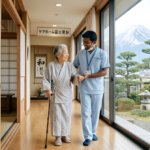

We at Genrise believe in utmost integrity and transparency in all our process in order to ensure the best in class experience for candidates seeking an opportunity abroad.
Copyright © 2026. | Genrise Global Staffing Limited Pvt. Ltd.
Developed By: EYB Digitech</span