

Japan is one of the fastest-growing destinations for healthcare professionals looking to build a nursing career abroad. With one of the world’s most rapidly aging populations, Japan has a growing demand for skilled nurses and caregivers. To meet this demand, the country has opened opportunities for foreign professionals, including Indian nurses.
For many nurses, Japan nursing jobs offer not only attractive salaries but also global work experience, job stability, and a high standard of living. If you are an Indian nurse planning to work in Japan, here is a step-by-step guide to help you understand the process.
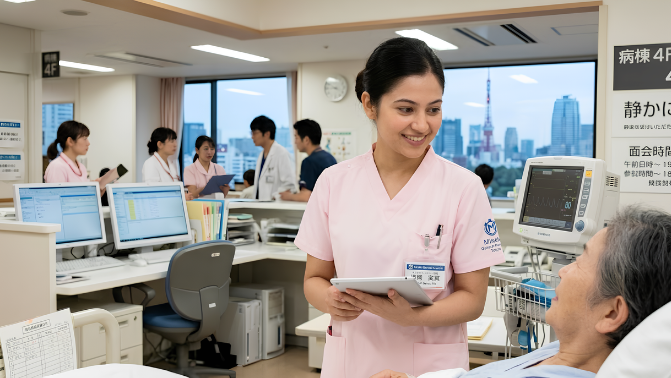
Japan is facing a significant shortage of healthcare workers due to its aging population and declining birth rate. According to various workforce reports, the country needs thousands of additional caregivers and nursing professionals every year.
To address this shortage, Japan has introduced special programs that allow foreign professionals to work in healthcare facilities, hospitals, and elderly care centers.
These programs create excellent job opportunities in Japan for foreigners, especially in the healthcare sector.
Before applying for nursing vacancies overseas in Japan, candidates must meet certain basic requirements.
Typically, the requirements include:
Some positions may also require prior clinical or caregiving experience.
One of the most important requirements for working in Japan is learning the Japanese language. Since nurses interact with patients daily, communication is essential.
Most programs require candidates to achieve a basic level of Japanese language proficiency such as:
Language training is usually provided before placement to ensure candidates can communicate effectively with patients, doctors, and hospital staff.
Learning Japanese not only increases your chances of securing a job but also helps you adapt better to the work environment and culture.
The safest and most effective way to apply for Japan nursing jobs is through a trusted overseas recruitment agency.
A professional recruitment agency can assist with:
Working with an experienced Japan recruitment agency ensures that the process is transparent and smooth for candidates.
One of the common pathways for foreign healthcare workers to work in Japan is the Specified Skilled Worker (SSW) Visa program.
Under this program, candidates can work in various sectors facing workforce shortages, including caregiving and healthcare support roles.
Key benefits of the SSW program include:
The program is designed to help foreign workers build a stable career in Japan.
After completing language training and documentation, candidates usually go through an interview process with Japanese employers.
The interview may evaluate:
Once selected, candidates receive a job offer and proceed with the visa application process.
After securing employment, the next step is visa processing and travel preparation.
This stage typically includes:
Many recruitment agencies also provide pre-departure sessions to help candidates understand life and work culture in Japan.
Working as a nurse or caregiver in Japan comes with several benefits.
Typical advantages include:
In addition to financial benefits, working in Japan provides nurses with valuable exposure to advanced healthcare systems and professional training.
Japan is known for its disciplined work culture, advanced healthcare infrastructure, and safe living environment.
Foreign nurses working in Japan often experience:
Adapting to Japanese culture may take some time, but many professionals find it to be a rewarding and enriching experience.
For Indian healthcare professionals looking to build a nursing career abroad, Japan offers promising opportunities. With the right training, language preparation, and guidance from a trusted recruitment agency, Indian nurses can successfully secure nursing jobs in Japan and build a rewarding international career.
As the demand for healthcare workers continues to grow, now is an excellent time for nurses to explore job opportunities in Japan for foreigners and take the first step toward a global healthcare career.





We at Genrise believe in utmost integrity and transparency in all our process in order to ensure the best in class experience for candidates seeking an opportunity abroad.
Copyright © 2026. | Genrise Global Staffing Limited Pvt. Ltd.
Developed By: EYB Digitech</span