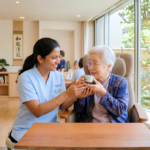

Japan is rapidly becoming one of the most promising destinations for individuals seeking international career opportunities, especially in the healthcare and caregiving sector. With its aging population and growing demand for skilled caregivers, Japan is actively welcoming trained foreign professionals.
For many candidates from India who wish to build a career abroad, the Integrated Caregiving & Japanese Language Course has emerged as an effective pathway. This program prepares candidates with both the technical caregiving skills and the language proficiency required to work successfully in Japan’s healthcare sector.
If you are looking for job opportunities in Japan for foreigners, this integrated course can help you build the right foundation.
Japan is facing a major demographic shift. With one of the highest elderly populations in the world, the demand for trained caregivers and healthcare professionals continues to increase every year.
To address this shortage, Japan has introduced structured programs like the Specified Skilled Worker (SSW) visa, which allows foreign workers to take up caregiving roles in hospitals, elderly care homes, and healthcare facilities.
This has created thousands of opportunities for trained professionals who want to work in Japan’s healthcare system.
The Integrated Caregiving & Japanese Language Course is a comprehensive training program designed to prepare candidates for caregiving jobs in Japan.
Unlike regular language programs, this integrated course focuses on two essential aspects required for employment in Japan:
By combining these two components, the course ensures that candidates are fully prepared to meet the requirements of Japanese employers.
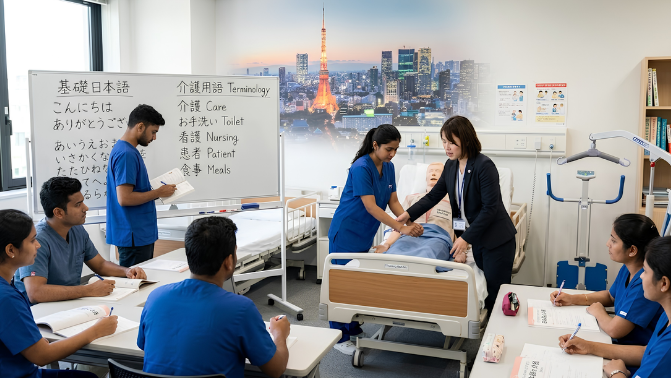
The program provides structured training that focuses on both practical caregiving knowledge and communication skills.
Candidates receive training in essential caregiving practices that are aligned with international standards.
Key areas include:
These skills are crucial for working in hospitals and elderly care facilities in Japan.
Language plays a critical role when working in Japan. Caregivers must communicate effectively with patients, doctors, and healthcare staff.
The course includes training for:
JLPT N5 to N4 Japanese language levels
Achieving N4 level Japanese greatly improves candidates’ chances of securing caregiving jobs in Japan.
The integrated course is designed to make candidates job-ready through a structured learning approach.
Some of the key highlights include:
This structured approach ensures candidates are prepared both technically and culturally before moving to Japan.
The integrated program is designed for individuals who are interested in pursuing a caregiving career in Japan.
Eligible candidates typically include:
Candidates should also be motivated to learn Japanese and adapt to international work environments.
After completing the integrated training program, candidates can follow a structured pathway toward employment in Japan.
The career journey generally includes:
This pathway allows candidates to move from training in India to working in Japan’s healthcare sector.
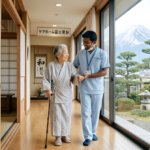
Choosing a caregiving career in Japan offers several professional and personal benefits.
Some key advantages include:
These benefits make Japan an attractive destination for individuals seeking nursing or caregiving careers abroad.
Many candidates try to learn the language and caregiving skills separately, which can often make the process longer and more complicated.
An integrated course offers several advantages:
This makes the integrated program one of the most efficient ways to prepare for jobs in Japan for foreigners.
The demand for caregivers in Japan is expected to continue growing in the coming years. For individuals who aspire to build an international career in healthcare, the Integrated Caregiving & Japanese Language Course provides a structured and reliable pathway.
By combining professional caregiving training with Japanese language education, this program equips candidates with the skills, confidence, and qualifications needed to succeed in Japan’s healthcare industry.
For those ready to explore job opportunities in Japan, this course can be the first step toward building a rewarding global career.



We at Genrise believe in utmost integrity and transparency in all our process in order to ensure the best in class experience for candidates seeking an opportunity abroad.
Copyright © 2026. | Genrise Global Staffing Limited Pvt. Ltd.
Developed By: EYB Digitech</span