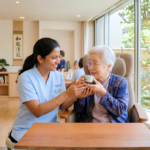

Japan is facing a massive shortage of caregivers due to its ageing population, creating thousands of job opportunities in Japan for foreigners every year. For Indian students who have completed 12th grade or graduation, the Integrated SSW Caregiver pathway has emerged as one of the most reliable and structured routes to build a stable international career.
This guide explains step by step, how a 12th-pass student can move from India to a secure SSW caregiver job in Japan, with the right training, language skills, and cultural readiness.

Japan has one of the oldest populations in the world. With increasing demand for elder care, hospitals and care homes are actively hiring foreign caregivers under the Specified Skilled Worker (SSW) visa.
This makes caregiving one of the fastest-growing Japan work opportunities, especially for candidates without prior healthcare experience.
Key advantages:
This pathway is not limited to nurses.
This makes it one of the most accessible job opportunities in Japan for Indian students.
Important: This is not a Japanese language–only course. It is a complete career pathway.
The first step is enrolling in an Integrated SSW Caregiver Program, designed specifically for students without a healthcare background
This integration ensures students are job-ready, not just language-ready.
Since most 12th-pass students are new to healthcare, vocational training is critical.
This training aligns directly with what Japanese employers expect from SSW caregivers.
Language is the backbone of success in Japan.
Unlike general language courses, this training is career-specific, helping students clear exams and perform confidently on the job.
Many candidates fail abroad not due to skills, but due to cultural mismatch.
The Integrated SSW Caregiver Course includes structured cultural training such as:
This is a major reason employers prefer candidates trained through integrated programs.
To work legally as a caregiver in Japan, students must clear:
Your training program prepares you specifically for:
Passing these exams makes you eligible for SSW caregiver jobs in Japan.
Once certified, candidates are matched with:
Support includes:
This step transforms training into real job opportunities in Japan.
After job selection:
Students then travel to Japan as legal, skilled caregivers, not trainees.
For many, this becomes a long-term Japan career opportunity, not just a short-term job.
This distinction is critical for clarity:
Choosing the wrong pathway can delay your overseas career—always select based on eligibility.
For students searching for job opportunities in Japan, the Integrated SSW Caregiver pathway offers a rare combination of accessibility, security, and long-term growth.
With the right training in caregiving, language, and culture, a 12th-pass student can confidently build a global career in Japan’s healthcare sector.
Yes. A 12th-pass student can legally work in Japan as a caregiver by enrolling in an Integrated SSW Caregiver Course. The program provides vocational caregiver training, Japanese language training, and cultural readiness, which together make candidates eligible for SSW caregiver jobs in Japan.
The SSW Caregiver visa is a Japanese work visa under the Specified Skilled Worker category. It allows foreign nationals to work legally in caregiving roles in Japan after clearing the required skill and language exams.
No. A nursing or healthcare background is not required for the Integrated SSW Caregiver Course. This pathway is specifically designed for 12th-pass students and graduates from any stream.
No. The Integrated SSW Caregiver Course is different from a Japanese language–only course. It includes caregiver vocational training, Japanese language training, and workplace culture preparation. Language-only courses are meant for nursing or healthcare professionals who already have medical qualifications.
The timeline depends on training duration, exam schedules, and employer interviews. Typically, students complete training, clear exams, and secure job placement within a structured timeframe set by the program.





We at Genrise believe in utmost integrity and transparency in all our process in order to ensure the best in class experience for candidates seeking an opportunity abroad.
Copyright © 2026. | Genrise Global Staffing Limited Pvt. Ltd.
Developed By: EYB Digitech</span