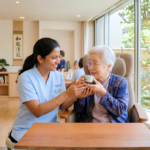

The demand for overseas nursing jobs has increased rapidly in recent years as countries with ageing populations and expanding healthcare needs actively recruit qualified nurses from across the world. Among these destinations, Japan stands out as one of the most promising countries for nursing professionals seeking global career opportunities, offering competitive salaries, structured career growth, and a unique cultural experience.
If you are a nurse in India or another country with healthcare experience, choosing to build your career abroad, especially through Japan nursing jobs, can open doors to professional advancement, financial stability, and long term prospects in one of the world’s most advanced healthcare systems.

Healthcare systems worldwide are facing a major nursing shortage as populations age, chronic illnesses rise, and the demand for quality medical care continues to grow. Japan is experiencing one of the most significant shortages due to its rapidly ageing population, which has created consistent demand for foreign nurses and caregivers.
Here is why an overseas nursing career is worth considering:
Countries such as Japan, Germany, Canada, Australia, and the UK are actively recruiting international nurses to support their healthcare infrastructure. These roles allow nurses to work with advanced medical technology while gaining valuable international exposure.
Nursing abroad offers more than employment. It provides long term career stability. Due to increasing demand, nurses often benefit from job security and structured career progression, moving from clinical roles into specialised or leadership positions.
Overseas nursing jobs usually provide higher salaries compared to many domestic roles. Benefits often include health insurance, accommodation support, and paid training. In Japan, registered nurses can earn attractive salaries, with higher earnings linked to experience and specialisation.
Japan’s healthcare system is known globally for its quality and efficiency. The urgent need for nursing professionals is driven by an ageing population and growing demand for elder care services. This has created consistent opportunities for international nurses who are open to learning a new language and adapting to a different work culture.
To work as a nurse or caregiver in Japan, candidates typically require:
Language proficiency is important not only for licensing but also for effective communication with patients and medical teams.
Nurses can choose from multiple career pathways, including:
Each path offers strong professional exposure and long term growth potential.
Ensure your nursing degree and licence are valid and recognised. Some candidates may need credential verification or additional exams depending on the role.
Japanese language proficiency is essential for most healthcare roles. Licensing exams, patient interaction, and workplace communication require strong language skills.
Professional overseas recruitment agencies help nurses with documentation, interview preparation, job matching, and visa guidance, making the process smoother.
Japan offers structured employment visas such as the Specified Skilled Worker visa, which allows foreign nurses and caregivers to work legally with options for long term employment.
Working abroad is not just about relocating to a new country. It is about positioning your career for long term international growth.
A nursing career in Japan can strengthen both professional skills and personal growth.
Q1. Can I work as a nurse in Japan without knowing Japanese?
Most nursing and caregiver roles in Japan require Japanese language proficiency, usually JLPT N2 or higher, as communication with patients and staff is essential.
Q2. What is the average salary for nurses in Japan?
Salary depends on experience, role, and location. Registered nurses in Japan earn competitive salaries, with higher income potential as experience increases.
Q3. Are overseas nursing jobs available for freshers?
Yes, entry level roles are available, particularly in caregiving and assisted care settings, often combined with training programs.
Q4. How long does the process to work in Japan take?
The timeline varies based on language training, documentation, and visa processing. With proper planning, it usually takes several months.
Q5. Is Japan a good option for a long term nursing career?
Yes. Japan offers stable employment, career growth opportunities, and long term work pathways for skilled nursing professionals.



We at Genrise believe in utmost integrity and transparency in all our process in order to ensure the best in class experience for candidates seeking an opportunity abroad.
Copyright © 2026. | Genrise Global Staffing Limited Pvt. Ltd.
Developed By: EYB Digitech</span