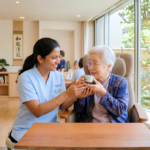

For students preparing for jobs in Japan, technical caregiving skills alone are not enough. Success in Japanese healthcare settings depends heavily on understanding etiquette, behaviour, and care culture.
Japanese caregiving environments are built on respect, discipline, and emotional sensitivity. For foreign caregivers, adapting to this culture is essential to perform well, gain trust, and grow professionally.
This guide explains the key elements of Japanese etiquette and care culture that every caregiver should understand before starting work abroad.
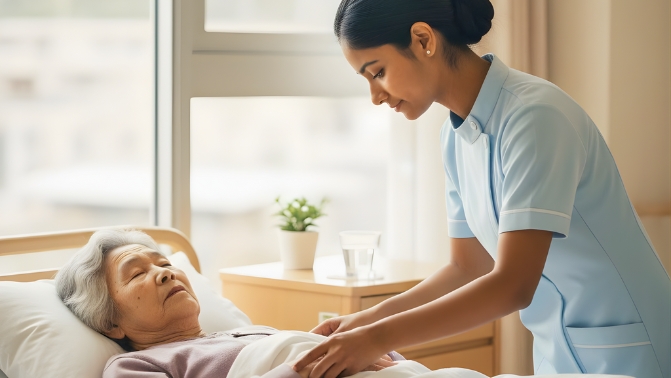
In Japan, caregiving is not viewed as a task-based job. It is seen as a responsibility that involves dignity, patience, and respect for the elderly.
Caregivers are expected to follow established protocols, communicate thoughtfully, and maintain emotional composure at all times. Even small gestures, tone of voice, and body language carry meaning.
This is why cultural training is considered just as important as vocational training in Japan.
Japanese society places deep respect on senior citizens. This respect extends beyond medical care into daily interaction.
Caregivers are expected to speak politely, avoid rushed movements, and always seek consent before assisting residents. Elderly individuals are treated as adults with life experience, not as patients to be managed.
Understanding this mindset helps foreign caregivers align better with Japanese expectations.
Punctuality is a non-negotiable part of Japanese work culture. Arriving early is often seen as a sign of professionalism.
Daily routines are followed strictly, including shift timings, documentation, and handovers. Caregivers are expected to follow schedules precisely and complete assigned tasks without shortcuts.
This discipline is one of the reasons Japan career opportunities are known for structure and efficiency.
Cleanliness is deeply ingrained in Japanese culture, especially in healthcare environments.
Caregivers must maintain neat uniforms, proper grooming, and strict hygiene practices. Equipment and workspaces are cleaned regularly, and protocols are followed without exception.
Attention to cleanliness reflects respect for residents and colleagues.
Japanese care facilities operate within a clear hierarchy. Senior caregivers and supervisors are respected, and instructions are followed carefully. Teamwork is highly valued. Caregivers support each other during busy shifts and communicate openly during handovers.
Understanding hierarchy helps foreign caregivers adapt quickly and avoid misunderstandings in job opportunities in Japan for foreigners.
Displaying emotional stability is an important expectation in Japanese caregiving. Caregivers are expected to remain calm during stressful situations and avoid showing frustration. Patience and empathy are essential traits.
This emotional discipline is part of what defines Japanese care culture and contributes to long-term professional growth.
Some common mistakes include speaking too loudly, being overly casual with seniors, ignoring workplace hierarchy, or questioning procedures openly.
Another frequent issue is assuming caregiving standards are the same across countries. In Japan, consistency and protocol matter greatly.
Proper cultural training helps caregivers avoid these mistakes and build respectful working relationships.
Before working abroad, caregivers need structured exposure to Japanese etiquette. Cultural training includes role plays, workplace scenarios, language usage in sensitive situations, and understanding behavioural expectations in care homes and hospitals.
This preparation ensures caregivers are not just skilled, but culturally confident.
Many caregivers who struggle abroad do so not because of lack of skill, but because of cultural mismatch.
Those who understand Japanese etiquette adapt faster, earn employer trust, and experience smoother career progression.
This is why culture-focused preparation plays a major role in sustainable Japan work opportunities.
For anyone considering caregiving jobs in Japan, understanding etiquette and care culture is essential.
Respect, discipline, emotional sensitivity, and teamwork define Japanese caregiving environments. With the right cultural training, foreign caregivers can integrate smoothly and build meaningful, long-term careers in Japan’s healthcare sector.
Japanese caregiving is deeply rooted in respect, discipline, and emotional sensitivity. Understanding etiquette helps caregivers communicate better, avoid misunderstandings, and integrate smoothly into Japanese care facilities.
Yes. Japanese care culture places strong emphasis on dignity, patience, cleanliness, punctuality, and emotional control. Caregiving is seen as a respectful responsibility, not just a job.
Caregivers are expected to be punctual, polite, calm, and attentive. Speaking respectfully, following routines strictly, maintaining hygiene, and respecting workplace hierarchy are essential.
Some foreign caregivers initially face challenges due to cultural differences. However, with proper cultural and workplace training, most adapt quickly and perform well in Japanese caregiving environments.
Common mistakes include speaking too loudly, being overly casual with elderly residents, ignoring hierarchy, questioning procedures publicly, and failing to follow schedules strictly.


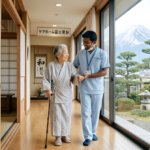

We at Genrise believe in utmost integrity and transparency in all our process in order to ensure the best in class experience for candidates seeking an opportunity abroad.
Copyright © 2026. | Genrise Global Staffing Limited Pvt. Ltd.
Developed By: EYB Digitech</span