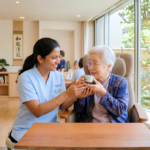

For many students exploring jobs in Japan, caregiving may sound unfamiliar at first. But once you understand what a typical day looks like, the role becomes one of the most structured, respectful, and stable Japan work opportunities available to foreigners today.
This blog walks you through a realistic day in the life of an SSW caregiver in Japan, from morning routines to evening handovers, and shows why this role has become a strong long-term career option for students and graduates.
An SSW caregiver’s day usually begins early, often between 7:00 and 8:00 am, depending on the care facility.
The first step is a team briefing where caregivers receive updates about residents. This includes health conditions, medication schedules, and any special instructions. Punctuality and attention to detail are extremely important in Japanese work culture.
This structured start reflects why Japan career opportunities are known for discipline and clarity.
After the briefing, caregivers assist residents with daily morning activities. These typically include helping residents get out of bed safely, assisting with bathing and personal hygiene, helping them dress, and ensuring comfort and dignity at all times.
Caregivers are trained to move residents safely, communicate calmly, and follow strict hygiene protocols. Respect for personal space and privacy is always maintained.
This hands-on work is a core responsibility of SSW caregiver jobs in Japan.
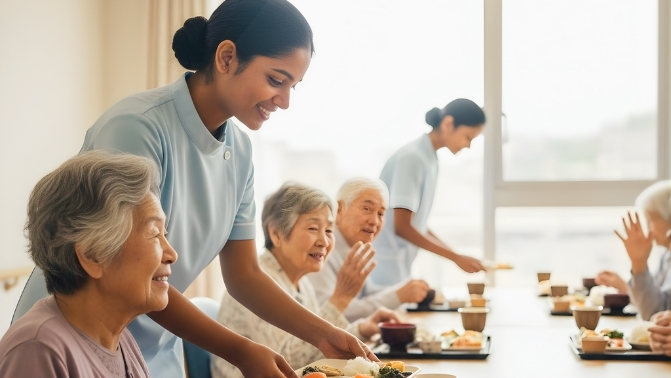
Once residents are ready, caregivers help them move to the dining area or assist with meals in their rooms.
Tasks include helping residents eat if required, monitoring dietary restrictions, and ensuring proper hydration. Caregivers may also assist senior staff with medication schedules as per facility guidelines.
This part of the day highlights why proper vocational training is critical before entering Japan work opportunities in healthcare.
Late morning and early afternoon focus on engagement and emotional wellbeing.
Caregivers support residents during light physical exercises, recreational activities, or group interactions. Sometimes this includes simple conversations, games, or helping residents participate in hobbies.
Emotional care is just as important as physical assistance. Japanese care facilities place strong emphasis on mental wellbeing and respectful interaction.
Lunch routines follow similar processes as breakfast. After lunch, residents usually rest.
During this time, caregivers update records, clean equipment, and prepare for the next shift. Documentation is taken seriously in Japan, and caregivers are trained to maintain accurate daily reports.
This attention to detail is one reason many foreigners appreciate job opportunities in Japan for structured roles.
In the late afternoon or evening, caregivers assist residents with light activities, evening meals, and preparation for rest.
Before ending their shift, caregivers participate in a detailed handover with the next team. Information about resident health, mood, and care requirements is shared clearly.
Teamwork and communication are key strengths of Japan career opportunities in caregiving.
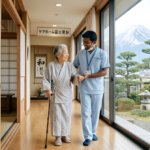
SSW caregivers work in environments that value order, teamwork, and respect. Senior staff guide junior caregivers, and there is a clear hierarchy that helps new workers adjust smoothly.
Many care facilities also provide orientation support for foreign caregivers, making this one of the safer and more supportive job opportunities in Japan for foreigners.
Caregivers typically work in shifts, which may include weekends or holidays depending on the facility. However, work schedules are planned in advance, and rest days are clearly defined.
This predictable structure is one reason many students choose caregiving as a long-term Japan work opportunity.
With experience, SSW caregivers can take on additional responsibilities, gain higher trust from employers, and build a stable professional profile in Japan’s healthcare sector.
For many students, this role becomes the foundation for a long-term international career rather than a short-term job.
A day in the life of an SSW caregiver may look simple on the surface, but success depends heavily on training.
The Integrated SSW Caregiver Course prepares students for real workplace routines by covering caregiving skills, Japanese language for daily interactions, and cultural understanding of Japanese work environments.
This preparation is what turns daily tasks into sustainable Japan career opportunities.
For students exploring jobs in Japan, the SSW caregiver role offers structure, respect, and stability. Each day follows a clear routine, supported by teamwork and cultural discipline.
With the right training and mindset, a day in the life of an SSW caregiver becomes not just work, but a meaningful and secure international career path.
An SSW caregiver assists elderly residents with daily activities such as mobility support, personal hygiene, meals, emotional care, and maintaining comfort. The role also includes teamwork, documentation, and shift handovers.
SSW caregivers usually work in shifts, which may include early mornings, evenings, or weekends depending on the care facility. Work schedules are structured and planned in advance.
Caregiving involves physical activity, but caregivers are trained in safe movement techniques and use assistive equipment. Proper training reduces physical strain and ensures resident safety.
Yes. Basic to intermediate Japanese language skills are required to communicate with residents, understand instructions, and work effectively in care facilities. Language training focuses on practical workplace communication.
Japanese care facilities are structured, respectful, and team-oriented. Caregivers work within clear routines, follow hygiene standards, and receive guidance from senior staff.



We at Genrise believe in utmost integrity and transparency in all our process in order to ensure the best in class experience for candidates seeking an opportunity abroad.
Copyright © 2026. | Genrise Global Staffing Limited Pvt. Ltd.
Developed By: EYB Digitech</span